he European Patent Office (EPO) has granted a European patent for an invention developed by researchers from the Inter-University Department of Biotechnology at the University of Gdańsk (UG) and the Medical University of Gdańsk (GUMed). The patent relates to a new reagent used for the freeze-drying of microorganisms, i.e. drying them after they have been frozen. The invention was previously protected by a Polish patent granted by the Polish Patent Office – now the protection will also extend to other European countries.
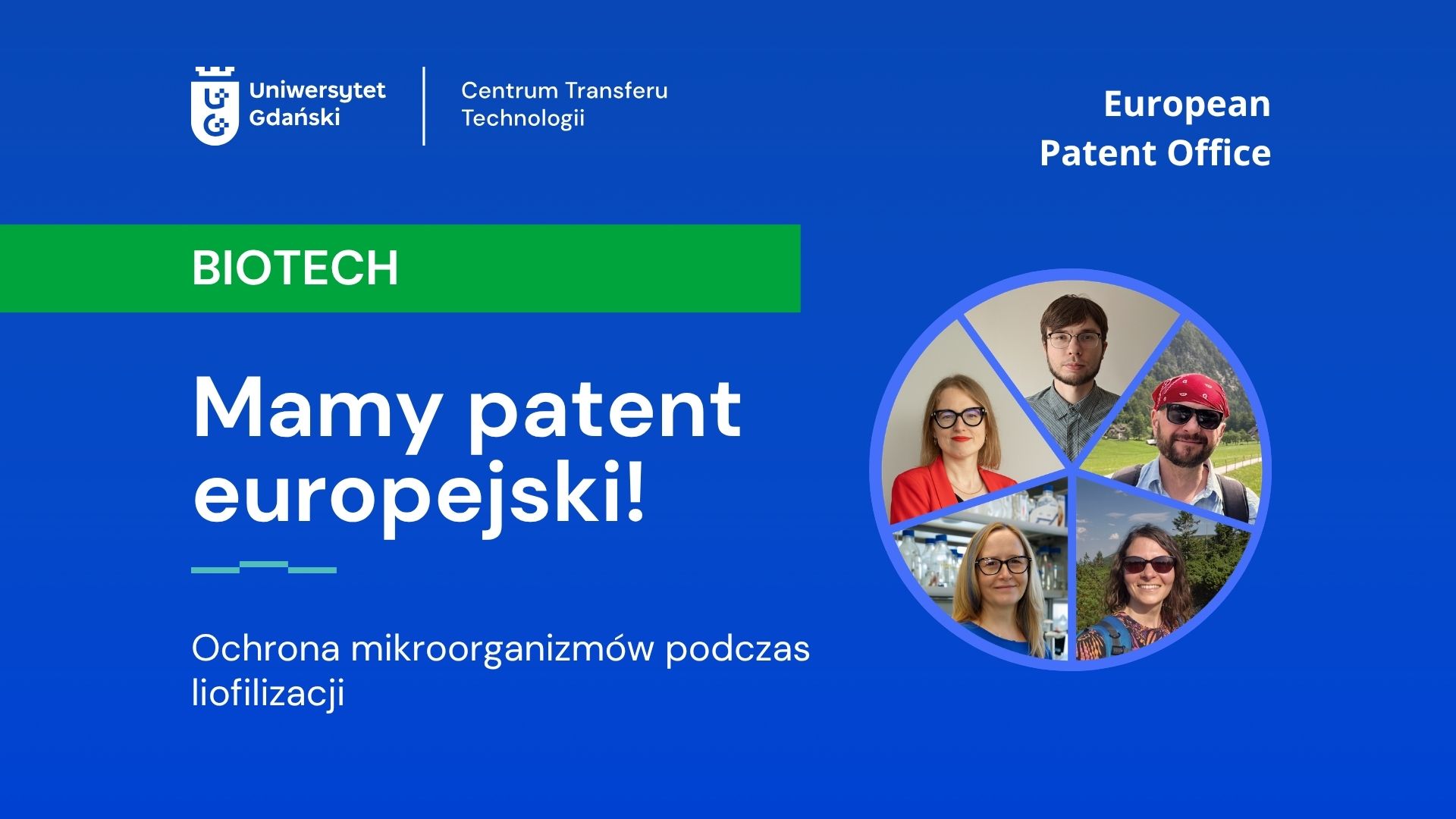
The inventors are: Prof. Robert Czajkowski, Dorota Krzyżanowska PhD, Tomasz Maciąg, PhD, Joanna Siwińska, PhD and Prof. Sylwia Jafra.
An increasing number of products used in medicine, agriculture and the food industry contain live microorganisms. For these preparations to retain their effectiveness, the microorganisms must remain alive for many months – from the moment of production right through to their use.
One method of long-term storage for beneficial bacteria is freeze-drying. Thanks to this process, preparations can be stored and transported in powder form. The problem, however, is that many bacterial cells do not survive the freezing and drying process, which reduces the effectiveness of the finished product.
To prevent this, substances are used to protect the microorganisms during freeze-drying. It is precisely such a reagent that scientists from the University of Gdańsk have developed.
Studies have shown that, for most of the bacterial strains tested, the use of this substance significantly increased their survival rate compared with freeze-drying carried out without the addition of a protective agent.
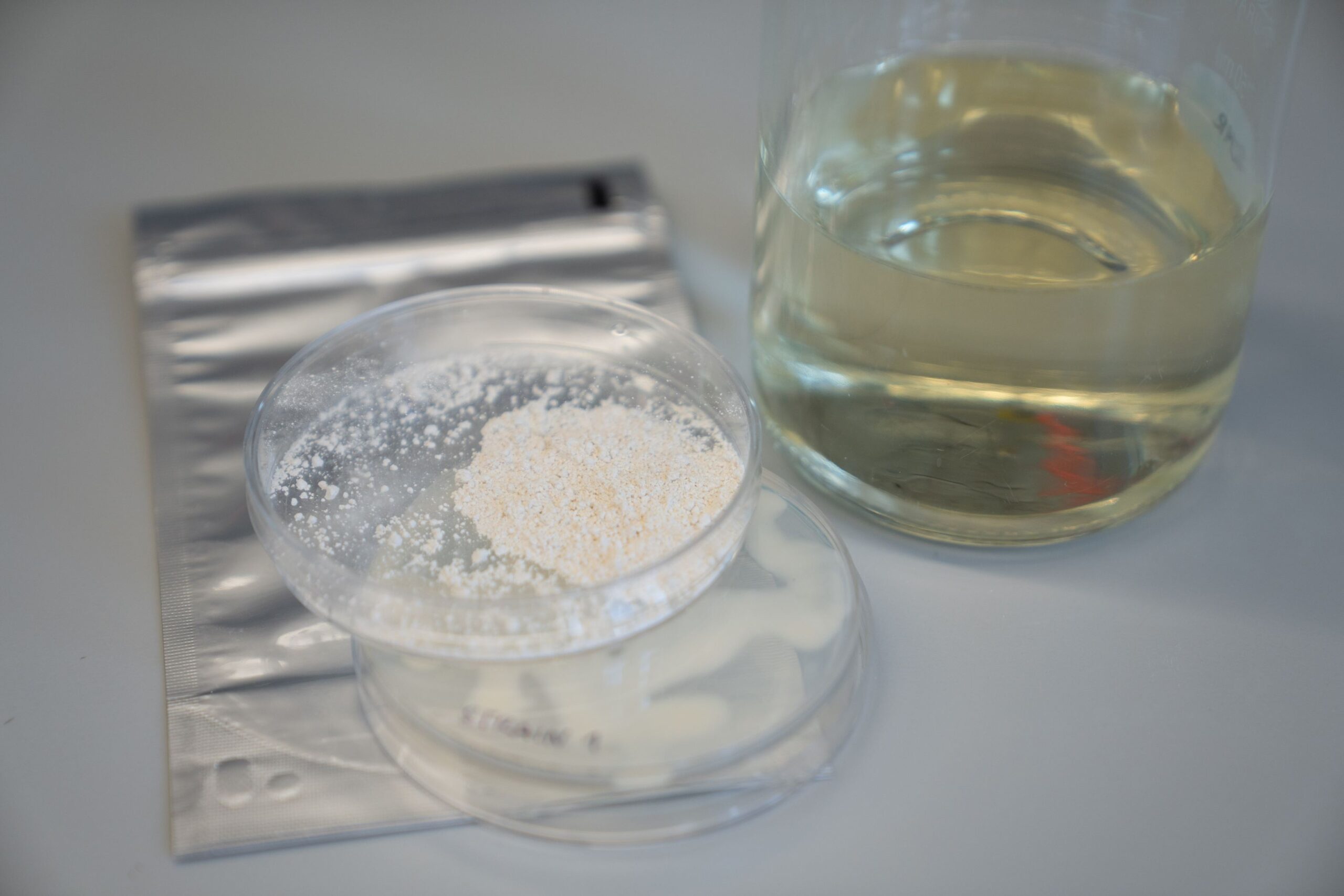
The reagent can be used in the freeze-drying of bacteria used, amongst other things, to produce preparations for agricultural applications and starter cultures for biotechnological processes – wherever the long-term storage of live microorganisms is of crucial importance.